A Kitchen Table Desk: Six Weeks of Light and Posture Measurements
The desk faced a window with a light level of 4,200 lux at midday and 40 lux after sunset, a hundredfold swing that no lamp in the flat could compensate for. Six weeks of measurement produced four changes and a much shorter list of things that matter.
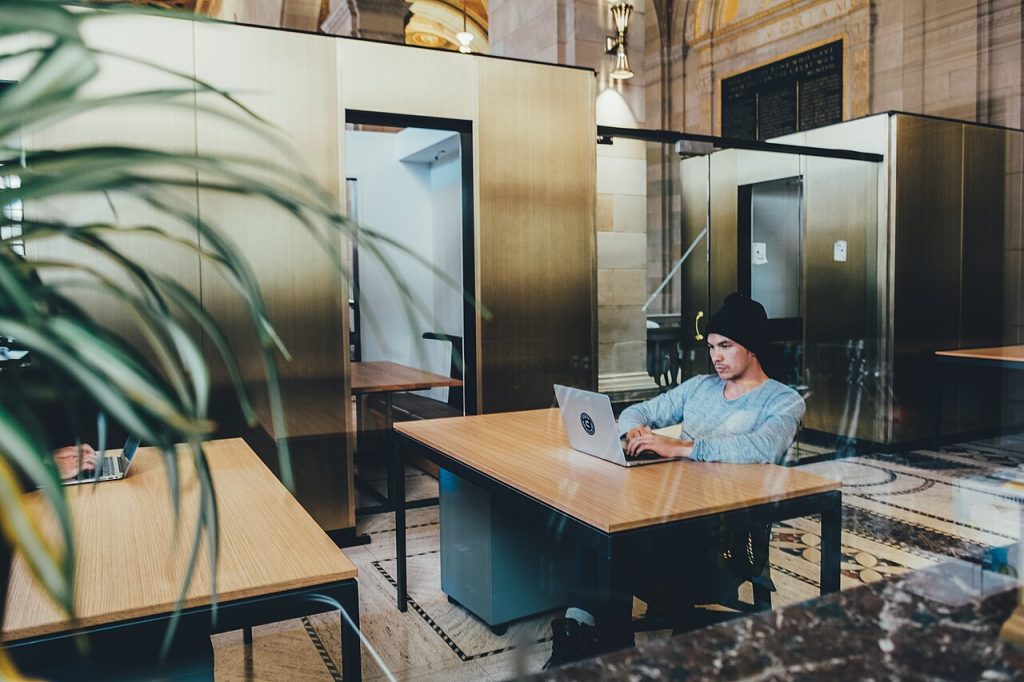
The setup was a kitchen table used for eight hours a day by one person writing documentation. It had been improvised during a move and had stayed improvised for eleven months.
What was measured
Three things, twice a day: light at the desk surface, the height of the screen’s top edge relative to eye level, and the height of the elbows relative to the table. A phone light meter and a tape measure were enough.
The measurements took ninety seconds and were recorded in a note with the date. The person doing the measuring had no theory to confirm, which is the only reason the record is trustworthy.
The light swing
Morning light reached 4,200 lux at the table, which is more than most offices and enough to cause squinting against a bright screen. After sunset the same table measured 40 lux under a ceiling fixture, which is below the recommended level for reading and produced a predictable late-afternoon headache.
The problem was not brightness. It was a range the eye had to adjust across four times a day.
The lamp that fixed half of it
A single desk lamp with a warm bulb at 500 lux fixed the evening. It cost 38 euros and was the only purchase in the six weeks. Measured at 21:00, the table went from 40 lux to 560.
The afternoon headache stopped within four days, which is the sort of result that usually gets attributed to something else.
The blind that fixed the other half
A linen blind reduced midday light to about 900 lux, which is comfortable against a laptop at 200 nits. The reduction also removed the screen glare that had made a matte screen protector seem necessary.
The blind cost 22 euros. The two purchases together did more than every other change in the period.
The posture numbers
The table was 74 centimetres high, and the person’s seated elbow height was 66. That eight-centimetre gap meant the shoulders were raised all day, which showed up as tension rather than pain and was therefore ignored for months.
Screen top edge sat 14 centimetres below eye level, which produced a consistent downward gaze of about 20 degrees.
The riser and the cushion
Two books under each side of the screen brought the top edge within 2 centimetres of eye level, which is free. A 6-centimetre cushion brought the elbow height within 2 centimetres of the table, which cost 19 euros.
Neither change was comfortable for the first three days. Both were unnoticeable by the second week, which is how posture changes usually behave.
What did not help
A standing desk converter was borrowed for a week. Standing produced better light exposure and worse concentration, because the writing task required long unbroken attention and standing invited movement. The converter went back.
A footrest was tried for three days and removed, since the cushion had already solved the height problem the footrest was meant to address.
What the six weeks left
The table is still a kitchen table. It has a blind, a lamp, two books and a cushion, and the measurements are now taken once a week rather than twice a day. The late-afternoon headache has not returned in four months.
Four thousand two hundred lux at midday and 40 after sunset were the whole problem. A 38 euro lamp, a 22 euro blind, two books and a 19 euro cushion closed most of that gap, and the expensive equipment never arrived.